
Late Winter Burnout: Why You Feel So Tired, Overwhelmed, and Short on Patience Right Now
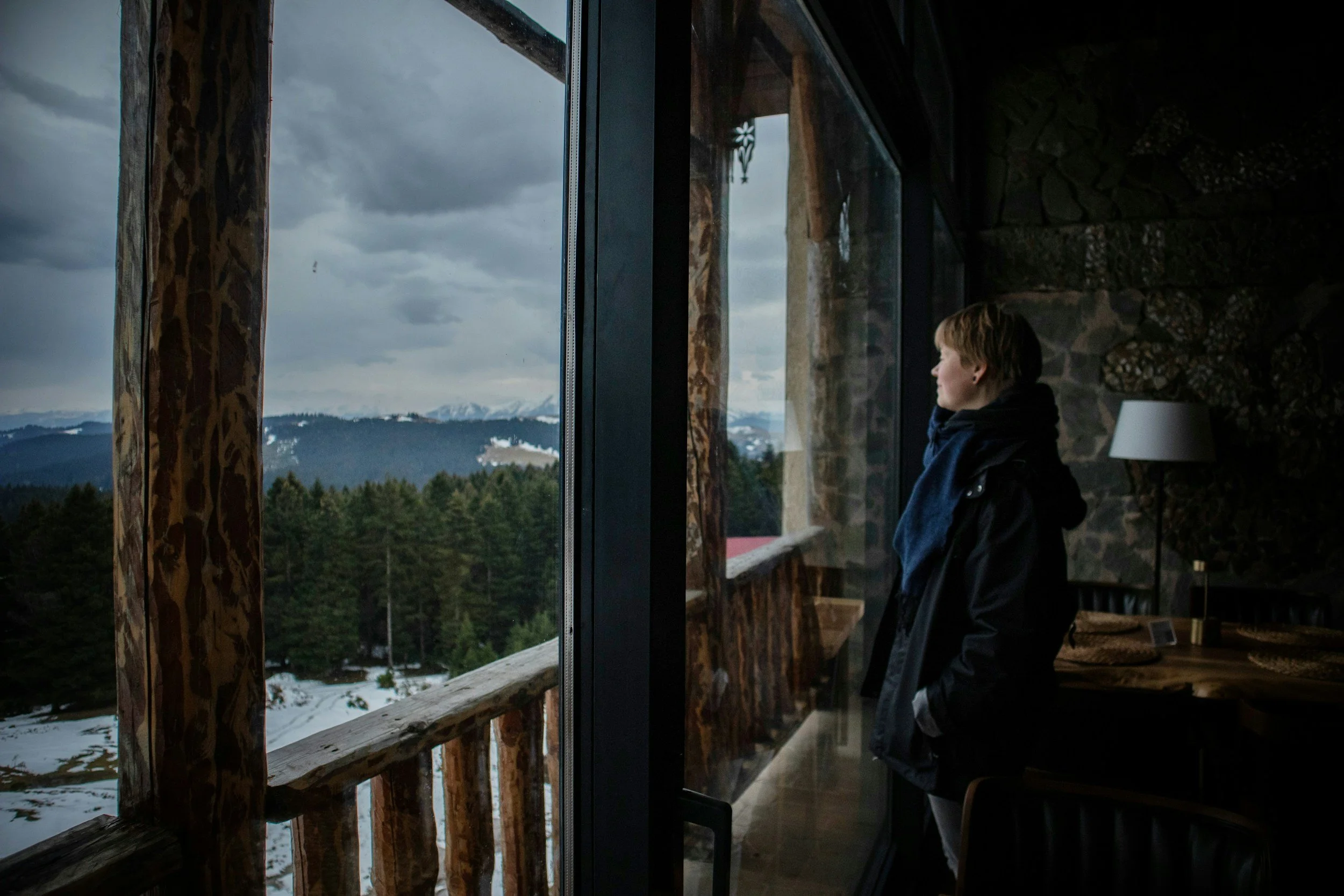
By this point in winter, a lot of people are running low.
They are still working, still managing, still showing up for other people. On the outside, life may look mostly fine. Inside, they feel tired, stretched thin, more reactive, and harder on themselves for not handling things better.
This is something I see often.
At the back end of winter, the cold feels long, the effort of daily life starts to catch up, and the weight of work, family responsibilities, and emotional strain can feel heavier. People often tell themselves they should be coping better. They judge themselves for feeling irritable, unmotivated, or emotionally off.
Usually, that judgment misses the point.
Chronic stress often shows up emotionally and physically - including exhaustion, irritability, sleep disruption, trouble concentrating, and a lower stress tolerance - which can make people feel unlike themselves even when they are still functioning on the outside
When you have been carrying a lot for a long time, there comes a point where your body and mind start to show it. You may feel more drained, less patient, more easily overwhelmed, and more affected by things that normally would not hit as hard.
This does not always mean something is wrong. Often, it means too much has been sitting on your shoulders for too long.
For many people, this is less about a lack of resilience and more about the cumulative effects of prolonged stress load.
For some people, this looks like burnout. The World Health Organization defines burnout as a syndrome resulting from chronic workplace stress that has not been successfully managed, marked by exhaustion, greater mental distance or cynicism toward work, and reduced professional efficacy.
For others, it shows up as snapping more easily in relationships, dreading work, feeling numb, wanting to withdraw, or feeling ashamed that even small things feel hard.
It can also bring old patterns to the surface. For some people, this time of year can also stir anniversary-type stress responses. Trauma research shows that reminders tied to difficult periods can reactivate anxiety, grief, tension, or unease, sometimes in subtle ways. March can carry that kind of emotional weight because the pandemic was officially characterized by the World Health Organization as a pandemic on March 11, 2020, and the first weeks that followed were highly disruptive for many people.
You may notice that you keep pushing yourself when you need rest.
You may feel guilty slowing down.
You may keep taking care of everyone else while ignoring what is happening inside you.
You may be falling into familiar family roles or carrying pressure that feels older than this week or this season.
When people are in this place, they often think they need to try harder.
Usually, they need something else.
They need more honesty about what they are carrying. More space to notice their limits. More support. More permission to stop expecting themselves to function as though they are untouched by stress.
When strain has been building for a long time, support tends to help more than self-criticism.
A few helpful places to start:
notice where you are overloaded, not just where you are busy
drop one aspect that will reduce pressure this week
pay attention to irritability as a sign that something needs care
speak to yourself with more understanding and less blame
get support before things feel worse
Feeling emotionally overloaded? I offer virtual therapy for women and adults navigating burnout, chronic stress, and relational strain.
Reaching out earlier can matter, especially when exhaustion, stress, and emotional overload have been building quietly for a while.
If you have been feeling exhausted, emotionally overloaded, or unlike yourself lately, you are not alone. Late winter can be a hard stretch, especially when work stress, family demands, and old patterns are all in the mix.
Therapy can help you make sense of what is happening, understand the deeper patterns underneath it, and begin responding to yourself in a way that actually helps.
If this resonates, I offer virtual and phone therapy. You’re welcome to book a free 15-minute consult to see whether working together feels like a good fit.